According to Eurostat’s quick estimate, inflation fell somewhat in the arson in November. Over the year, consumer prices rose by 10%, compared with 10.6% in October. This decrease was mainly due to a less significant increase in energy prices (+34.9% in November, compared with +41.5% in October).
The relatively mild autumn reduces fears of an energy shortage this winter, bringing total gas reserves to the brink, and emptying the passage of the Chinese economy, reducing global demand for hydrocarbons, which is essential. But the decisive intervention of the public authorities is also necessary. They are doing everything they can to mitigate the impact of rising prices on households and businesses.
In Spain, the peak of inflation in July (10.7%) is far behind, with the figure for November being only 6.6%. In France, inflation is at a peak. But at 7.1%, it is well below the European average thanks to the aid of all kinds, which is very expensive for the state.
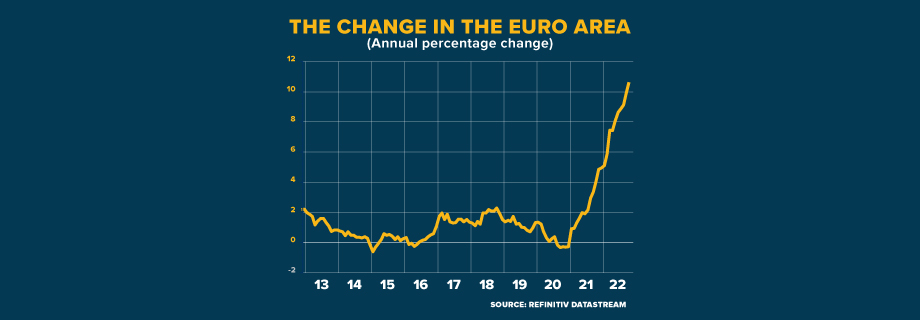
On the other hand, in the countries which intervened less, by choice (such as the Netherlands) or by lack of means (Italy), inflation remains very high, at 11.2% and 12.5%, respectively. The fuel shortage will arrive in early 2023 with new sanctions against Russian oil. And without gas from the same country, the recovery of gas stocks in 2023 looks difficult. Winter 2023-2024 looks even more complex than the one we are approaching (in terms of energy supply).
In addition, the financial means of States are not unlimited, and current measures are costly and cannot sustainably remain in place. In addition, with increasingly indebted states and a European Central Bank gradually withdrawing from the debt markets, the upward trend in bond yields is a reality.
Some are in a hurry to increase common debt issues to counter them. However, those who choose not to spend to help their consumers and businesses will certainly not be in a hurry to help those more fiscally weakened. Turbulence in European debt markets seems inevitable.
Thanks, in large part, to the intervention of the States and households that continue to spend because they are ultimately less impacted than they feared, the Eurozone is still relatively healthy. Fears of a deep recession are in sharp decline. But we think it’s just a postponed part.
The problems still need to be fixed but postponed to a later date. We, therefore, remain broadly away from eurozone equities.